Romesco Sauce: Unveiling the Catalan Culinary Gem (Article 2)
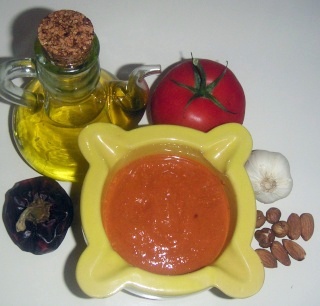
In the vibrant tapestry of Spanish cuisine, few sauces command as much admiration and versatility as romesco sauce. Originating from the fishing communities of Tarragona in Catalonia, this robust and intensely flavorful condiment has transcended its humble beginnings to become a global favorite. While its core ingredients – roasted tomatoes, ñora peppers (or other red peppers), garlic, almonds, hazelnuts, olive oil, and vinegar – remain consistent, the magic of romesco lies in its perfect balance of smoky, nutty, tangy, and subtly spicy notes. If you’ve explored the origins and foundational recipe of this exquisite creation, prepare to delve deeper into its incredible adaptability and how to truly master its preparation at home.
Beyond Seafood: Versatile Pairings for Your Romesco Sauce
Traditionally, romesco sauce is inseparable from seafood, particularly grilled fish and the iconic Catalan calçots (grilled green onions). However, to limit romesco to just these pairings would be to overlook its extraordinary potential. Its rich, complex flavor profile makes it a superb companion to an astonishing array of dishes, elevating simple ingredients to gourmet status.
- Grilled & Roasted Vegetables: Romesco truly shines with vegetables. Drizzle it over asparagus, broccoli, zucchini, eggplant, or roasted potatoes for an instant flavor boost. It transforms a simple plate of greens into a show-stopping side dish or even a light main course.
- Poultry & Meat: Move beyond the barbecue sauce! Romesco is fantastic with grilled chicken breasts, roasted pork tenderloin, or even a pan-seared steak. Its acidity cuts through richness, while its nuttiness complements savory meats beautifully. Try marinating chicken in romesco for an hour before grilling for an unforgettable meal.
- Eggs & Brunch: Spoon romesco over scrambled eggs, a frittata, or a Spanish tortilla for a breakfast or brunch with a sophisticated twist. It adds depth and a vibrant color that’s sure to impress.
- Pasta & Grains: While not a traditional Italian pesto, romesco makes an incredible pasta sauce. Toss it with your favorite pasta, a handful of fresh herbs, and perhaps some grilled vegetables. It also works wonders mixed into warm quinoa or couscous salads.
- Dips & Spreads: Serve romesco as a dip with crusty bread, pita chips, or a platter of fresh crudités. It makes an outstanding spread for sandwiches, wraps, or even as a base for a gourmet pizza. The possibilities are truly endless once you embrace its versatility.
Practical Tip: When pairing, consider serving romesco at room temperature for most dishes, allowing its nuanced flavors to fully develop and meld with the food.
Crafting the Perfect Romesco: Tips and Tricks for Homemade Excellence
While store-bought romesco is available, nothing compares to the freshness and depth of a homemade batch. Mastering the art of making romesco sauce involves understanding the role of each ingredient and a few key techniques. Here’s how to achieve perfection in your kitchen:
- Quality Ingredients are Key: This cannot be stressed enough.
- Peppers: If you can find dried ñora peppers, they offer an unparalleled depth of flavor. Rehydrate them before roasting. If not, roasted red bell peppers or piquillo peppers are excellent alternatives, providing sweetness and smokiness.
- Nuts: Use a combination of blanched Marcona almonds and toasted hazelnuts. Toasting the nuts enhances their flavor significantly.
- Olive Oil: A good quality extra virgin olive oil is crucial. It’s not just a fat; it’s a flavor component that binds everything together.
- Vinegar: Sherry vinegar is traditional and adds a distinct tangy complexity. Red wine vinegar can be a substitute, but sherry vinegar truly elevates the sauce.
- Bread: Stale crusty bread (or even a slice of gluten-free bread) acts as a thickener and emulsifier, giving the sauce its characteristic texture.
- The Art of Roasting: Charring your tomatoes and peppers is fundamental. This process caramelizes their natural sugars and imparts that essential smoky depth that defines romesco. Don't be afraid of a little blackening on the skin – that's where the flavor lives.
- Building Flavors Gradually: When blending, start with the dry ingredients (toasted nuts, garlic, bread) to create a coarse paste. Then add the roasted vegetables, followed by the liquids (olive oil, vinegar, and a splash of water if needed). This layered approach ensures a smooth, well-emulsified sauce.
- Achieving the Right Texture: Romesco should be thick and somewhat rustic, not completely smooth like a purée. Pulse your food processor rather than running it continuously to achieve this. You want some small pieces of nut and pepper to remain for textural interest.
- Taste and Adjust: Like any great recipe, romesco benefits from tasting as you go. Adjust salt, pepper, and vinegar to your preference. A tiny pinch of smoked paprika can enhance the smoky notes, and a touch of cayenne pepper can add a subtle kick.
Romesco Variations: Exploring Regional Flavors and Modern Twists
While the core ingredients of romesco sauce are well-established, variations abound, reflecting regional preferences and modern culinary creativity. Understanding these nuances allows you to tailor the sauce to your palate or dietary needs.
- The Nut Profile: While almonds and hazelnuts are classic, some recipes might lean more heavily on one over the other. Occasionally, pine nuts or even walnuts can be introduced for a different nutty dimension, though these would deviate from the traditional Catalan profile.
- Pepper Power: The choice of pepper can significantly alter the sauce's character. Dried ñora peppers offer a deep, earthy, slightly sweet flavor. If unavailable, roasted red bell peppers provide sweetness and a vibrant color, while roasted piquillo peppers from Navarra add a smoky, sweet, and mild chile flavor. For a spicier kick, some chefs might include a small amount of dried chili de árbol or a pinch of hot smoked paprika.
- Bread vs. No Bread: The inclusion of stale bread is typical for thickening and adding body. However, some health-conscious or gluten-intolerant cooks omit the bread entirely or substitute with gluten-free alternatives, resulting in a slightly looser, less structured sauce.
- Vinegar Alternatives: While sherry vinegar is king, good quality red wine vinegar is a suitable substitute. For a slightly different acidity, a touch of apple cider vinegar could be experimented with, though it will impart a distinct fruity note not found in the original.
- Herbal Additions: Though not traditional, a small amount of fresh parsley or mint can be blended in at the end for a brighter, fresher finish, especially if pairing with lighter dishes.
- Smoked Paprika: While not an original ingredient in traditional Tarragona romesco, a touch of sweet or hot smoked paprika (pimentón de la Vera) is a popular modern addition that enhances the smoky notes derived from the roasted vegetables, especially if you're not using ñora peppers.
These variations highlight the adaptable nature of romesco, allowing both purists and culinary adventurers to find their perfect version.
Storing and Serving Romesco: Maximizing Freshness and Flavor
Once you’ve perfected your batch of homemade romesco sauce, proper storage is key to enjoying its vibrant flavors for as long as possible. Serving it correctly also makes a significant difference to the overall dining experience.
Storage Tips:
- Refrigeration: Transfer your romesco to an airtight container. It will keep beautifully in the refrigerator for 5-7 days. A thin layer of olive oil poured over the surface before sealing can help prevent oxidation and keep it fresh longer.
- Freezing: Romesco freezes well. Divide it into smaller portions (e.g., in ice cube trays or small freezer-safe containers). Once frozen solid, transfer the cubes to a freezer bag. It can be stored for up to 3 months. Thaw overnight in the refrigerator before use. Note that the texture might become slightly looser after freezing and thawing, but the flavor will remain excellent.
- Reviving: If your refrigerated romesco seems a little stiff, simply stir in a tablespoon or two of warm water or extra virgin olive oil until it reaches your desired consistency. Taste and adjust seasoning if needed.
Serving Suggestions:
- Temperature: Romesco is most often served at room temperature or slightly warm, especially when accompanying grilled meats or vegetables. This allows its complex flavors to fully bloom. Avoid serving it straight from the fridge as the cold can mute its aromatic qualities.
- Presentation: Dollop romesco generously alongside your main dish, or spread it as a base. A final drizzle of high-quality extra virgin olive oil and a sprinkle of chopped fresh parsley (if desired) can enhance both flavor and visual appeal.
- Versatility at the Table: Place a bowl of romesco on the table and let guests help themselves. It’s perfect for dipping bread, adding to a salad, or topping off various courses.
From its humble origins to its current status as a culinary superstar, romesco sauce continues to captivate palates worldwide. Whether you're a novice cook or a seasoned chef, exploring the nuances of homemade romesco and its endless pairing possibilities will undoubtedly enrich your culinary journey. Embrace the bold flavors of Catalonia and let romesco transform your everyday meals into extraordinary dining experiences.
